

A shortpod mustard plant in the Bernard Field Station. [1]
Field notebook depiction of that same shortpod mustard plant. [2]
Hirschfeldia incana is a flowering plant in the mustard family. Interestingly, it is unique in that it is the only species in the monotypic genus Hirschfeldia, but don’t worry, it’s not lonely: the shortpod mustard plant is closely related to Brassica, a genus that is home to cabbage, turnips, rutabaga, and other mustard species. Shortpod mustard is a bit far from home here in Southern California, as it is native to the Mediterranean Basin, but it has invaded many other places across the world.
Now I knew what this beautiful plant I saw was, and I had learned tons of fun facts about it, but I was left wondering: are plants like Hirschfeldia incana actually used to make the mustard we see in bright yellow bottles at grocery stores and on hot dogs at baseball games (go Nationals)? Or were they simply given the same name because the flowers of shortpod mustard are the same color as the yellow condiment?


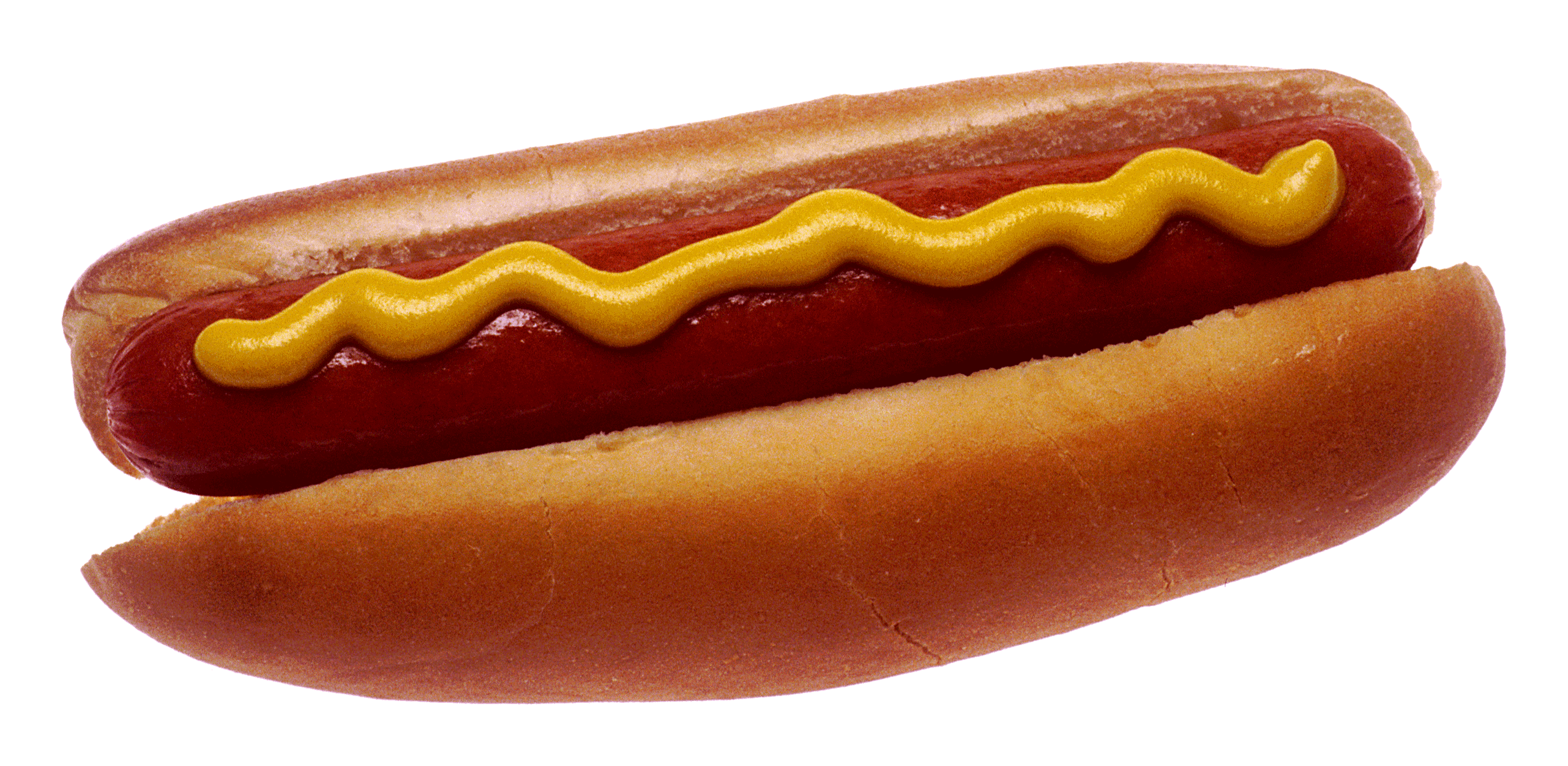
Packet of Heinz yellow mustard and a hot dog with mustard on it. [3] [4]
As it turns out, plants like Hirschfeldia incana are indeed used to make mustard! To make mustard, the seeds found in the pods are mixed with water, vinegar, lemon juice, wine, or other liquids, along with salt and other spices, to create a paste. The composition of those liquids and seasonings allows for the creation of various types of mustard with diverse flavors, spiciness, and pungency. Specifically, both white and brown seeds are used to make that classic American yellow mustard. But what would a mustard made from Hirschfeldia incana be like? As stated previously, shortpod mustard is closely related to plants in the Brassica genus, like Brassica juncea, the seeds of which are commonly used to make brown mustard! So a bottle of shortpod mustard might look something like the seedy brown mustard that your dad buys as a “treat” and keeps in the fridge for years.
All this talk of food was making me hungry! And, I obviously wanted to know whether the shortpod mustard seeds I found in the BFS tasted anything like the condiment I put on my hot dogs. To test this, I first double-checked that Hirschfeldia incana is edible – it is, like all other mustard species (to varying degrees). I grabbed a couple seed pods from the center of a bundle of yellow flowers. The seed pods tasted a little bit bitter and very earthy; the flavor was similar to that of uncooked spinach. Then, I headed to the Hoch for dinner and snagged a packet of yellow mustard. I squirted a little bit of the condiment onto a spoon and took a small lick. The mustard was extremely bitter and tasted predominantly of vinegar. It had undertones of earthiness that came to the front once the flavor had sat in my mouth for a while. From this taste-test, it is clear that the whole mustard-making process matters a lot in terms of creating the flavor you would expect from the bottled condiment!

A shortpod mustard plant in the Bernard Field Station, focused on the flowers and seed pods. [5]
Foragers around California actually do use wild mustard plants to make the beloved condiment at home! These DIY mustard-makers identify these wild mustard species as black mustard, but Hirschfeldia incana and black mustard plants look shockingly similar, so it's likely that foragers have also been gathering shortpod mustard plants and making batches of zingy, grainy mustard. As I briefly mentioned before, Hirschfeldia incana is actually an invasive plant species that has been particularly problematic in southern California. Could we help combat the spread of this invasive species by turning its seeds into mustard? I encourage you to harvest some weeds and get into the kitchen to find out!
Media Credits
[1] Photo by Natalie Minor
[2] Photo by Natalie Minor
[3] Public domain image: https://upload.wikimedia.org/wikipedia/commons/b/b1/Hot_dog_with_mustard.png
[4] Public domain image: https://upload.wikimedia.org/wikipedia/commons/2/2e/Heinz_Yellow_Mustard_Packet.jpg

[5] Photo by Natalie Minor
Further Reading
iNaturalist Shortpod Mustard (Hirschfeldia incana) ID: https://www.inaturalist.org/taxa/53097-Hirschfeldia-incana
USDA Hirschfeldia incana Plant Guide: https://plants.usda.gov/plant-profile/HIIN3
Hirschfeldia Wikipedia Page: https://en.wikipedia.org/wiki/Hirschfeldia
USDA Brassica Collection Guide: https://www.ars.usda.gov/northeast-area/geneva-ny/plant-genetic-resources-unit-pgru/docs/brassica-collection/
Mustard (condiment) Wikipedia Page: https://en.wikipedia.org/wiki/Mustard_(condiment)
McCormick Science Institute Mustard Page: https://www.mccormickscienceinstitute.com/resources/culinary-spices/herbs-spices/mustard
BFS Plant List: https://bfs.sites.pomona.edu/biota/bfs-plants/
Eat the Weeds Wild Mustard: https://www.eattheweeds.com/cutting-the-wild-mustard-brassica-sinapis-2/
How to Make Mustard Recipe: https://honest-food.net/how-to-make-mustard-2/ California Invasive Species List: https://cal-invasives.net/home/species.html
No comments:
Post a Comment